


Selecting a floor for your home in Dubai is more than just picking a colour you enjoy. The right flooring should be appropriate for the room, practical for daily use, affordable and comfortable for everyday living.
A floor that is gorgeous in a showroom might just not be the most glamorous for a kitchen, a living room with a lot of windows, a children’s room, or a front hall in a villa that gets a lot of traffic. There are also specific considerations for properties in Dubai like humidity, dust, spills, strong sunlight, and the air-conditioning in the interior.
The good news is you have lots of options. Vinyl, SPC, laminate, parquet, wood, carpet and ceramic/porcelain tiles can all perform well in the appropriate context. The secret is, knowing what is important before you purchase.
You can make use of the following tips to pick the best flooring in Dubai for your home.
Start With the Room, Not the Flooring Material
One of the easiest mistakes is choosing a flooring type first and then trying to make it work everywhere.
Instead, start by asking: What does this room need from its floor?
A bedroom may benefit from warmth, softness, and a quieter surface. A kitchen needs something that is easy to clean and resistant to moisture. A family living room needs to balance appearance with durability. A bathroom has completely different requirements.
Think about:
- How much foot traffic the room receives
- Whether water or spills are common
- Whether children or pets use the space
- How much direct sunlight reaches the floor
- How often you want to clean and maintain it
- Whether you want a soft, warm, natural, or contemporary feel
- How long you expect the flooring to last
Once these questions are clear, narrowing down the material becomes much easier.
Consider Dubai’s Climate and Indoor Conditions

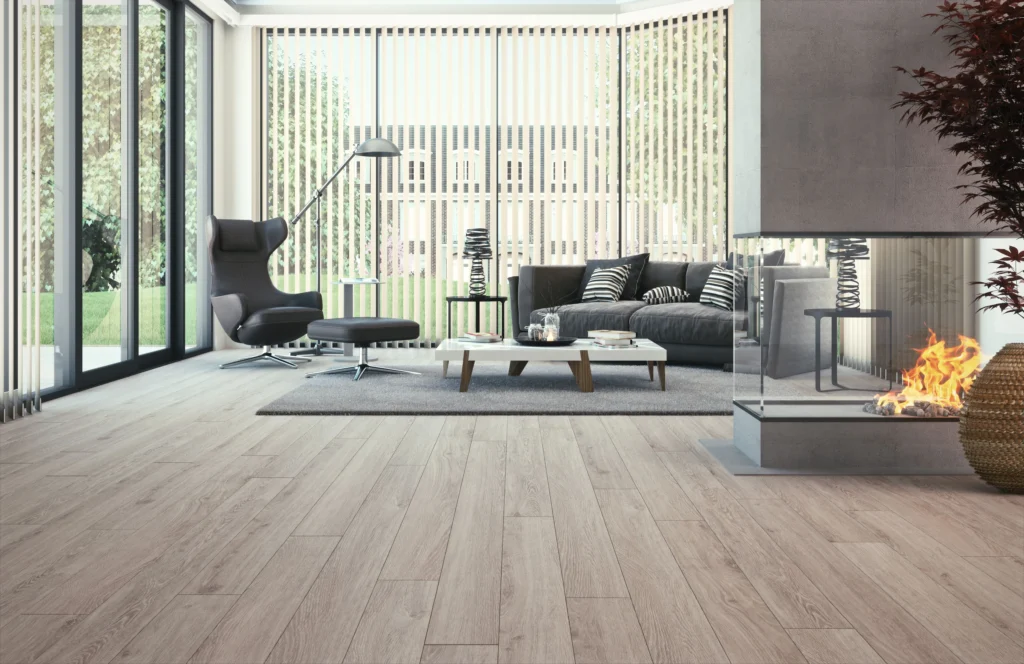
Dubai’s hot climate does not mean every flooring material will perform badly. What matters is selecting a suitable product and having it installed correctly.
Air conditioning also affects the indoor environment. Some flooring materials can respond to changes in temperature and moisture, so installation requirements should not be overlooked.
For areas exposed to moisture, waterproof flooring can be particularly practical. Vinyl and SPC are popular choices because they are designed to resist water and are available in wood and stone-look finishes.
For rooms receiving strong sunlight, pay attention to the manufacturer’s recommendations regarding UV exposure and fading. This is especially important for large rooms with floor-to-ceiling windows.
In other words, don’t choose flooring simply because someone says it is “best for Dubai.” The better question is whether that particular flooring is suitable for your room and conditions.
Compare the Main Flooring Options
There is no single best flooring material for every Dubai home. Each option has strengths and limitations.
1. Vinyl Flooring: Practical and Versatile
Vinyl flooring is worth considering if you want a practical floor with plenty of design choices.
Modern vinyl can reproduce the appearance of timber, stone, and other materials without requiring the maintenance associated with some natural surfaces. It is available as planks, tiles, and sheets, giving you different installation and design possibilities.
It can work particularly well in:
- Living rooms
- Bedrooms
- Kitchens
- Children’s rooms
- Rental properties
- Areas where easy cleaning is important
One advantage is the sheer variety of designs. You can create a warm wood-look interior without installing natural hardwood throughout the home.
2. SPC Flooring: A Strong Choice for Busy Homes
SPC flooring has become a popular option for homeowners who want the appearance of wood with a rigid, durable construction.
Its stone-plastic composite core gives the planks more structural rigidity than traditional flexible vinyl. It is also waterproof and available in designs ranging from straightforward wood effects to herringbone and stone looks.
SPC can make sense for:
- Busy living areas
- Hallways
- Kitchens
- Apartments
- Family homes
- Areas where spills are a concern
It is particularly useful when you want one flooring style to flow through several connected spaces.
However, don’t assume SPC automatically solves every installation problem. The existing subfloor still needs to be assessed and prepared properly. A good product cannot compensate for a poorly prepared base.
3. Laminate Flooring: A Wood Look Without Natural Hardwood
Laminate is another option for homeowners who like the appearance of wood but have a specific budget or maintenance preference.
It comes in a wide range of wood effects and can give bedrooms, living rooms, studies, and dining areas a warm appearance.
Laminate is generally better suited to relatively dry areas. If your priority is waterproof performance, vinyl or SPC may make more sense.
The quality of laminate also varies considerably, so look beyond the surface design. Thickness, wear rating, construction, locking system, and installation requirements all matter.
4. Parquet Flooring: For Pattern and Character
If you want the floor itself to become part of the interior design, parquet flooring is worth considering.
Traditional parquet and modern engineered options can be arranged in patterns such as herringbone and chevron. These patterns add visual movement and can make a relatively simple room feel much more considered.
Parquet works especially well in:
- Formal living rooms
- Dining rooms
- Bedrooms
- Luxury apartments
- Villas
- Feature areas
The downside is that patterned installation usually requires more planning and accurate fitting than a straightforward plank layout. The existing floor must also be suitable for the chosen installation method.
5. Wood Flooring: Natural Beauty
There is still something distinctive about genuine wood flooring. The grain, texture, and natural variation give it a character that printed wood-effect flooring is designed to imitate.
If you are considering natural or engineered wood, think about where it will be installed and how much maintenance you are comfortable with.
Wood can be an excellent choice for bedrooms, living rooms, studies, and other relatively controlled indoor areas. It is less appropriate for places where regular water exposure is expected.
You can compare different materials through our wood flooring collection before deciding whether natural wood or a wood-look alternative makes more sense.
6. Carpet Flooring: Comfort First
Hard flooring is not always the right answer.
Carpet can make bedrooms, children’s rooms, reading areas, and other private spaces feel noticeably softer and quieter. It also provides a comfortable surface underfoot and can help reduce sound within a room.
You can choose between different fibres, pile styles, colours, and patterns depending on your needs.
For bedrooms in particular, carpet can be a good choice if you prefer a warmer and softer feeling when getting out of bed.
For areas where spills and heavy traffic are common, however, you may prefer a hard surface that is easier to clean.
If comfort is one of your priorities, see our carpet flooring solutions for different residential options.
7. Porcelain and Ceramic Tiles: Reliable for Wet Areas
Tiles remain a familiar choice in Dubai homes for good reason.
Porcelain and ceramic tiles are available in a huge range of colours, patterns, sizes, and finishes. Porcelain has particularly low water absorption and is commonly considered for kitchens, bathrooms, entrances, and other areas where moisture resistance matters.
Large-format tiles can create a clean, contemporary appearance, while wood-effect tiles can give you a timber-inspired look with tile performance.
When selecting tiles, don’t focus only on appearance. Consider the finish, slip resistance, grout requirements, cleaning routine, and whether the product is suitable for the specific area.
Think About Maintenance Before You Buy
A beautiful floor that requires more maintenance than you are willing to provide can become frustrating.
Before choosing a material, ask yourself:
How much time do I realistically want to spend looking after this floor?
If you prefer straightforward cleaning, vinyl, SPC, and many tile surfaces are practical choices. Carpet requires regular vacuuming and prompt attention to spills. Natural wood can require more care depending on its finish and construction.
Also think about dust. Dubai homes can accumulate fine dust quickly, particularly around entrances and high-traffic areas. A flooring surface that is easy to sweep or mop may be preferable if you don’t want a demanding cleaning routine.
The best floor isn’t necessarily the one that requires the least maintenance. It is the one whose maintenance routine fits your lifestyle.
Don’t Ignore the Subfloor
This is one of the least exciting parts of choosing flooring—and one of the most important.
Your new floor sits on the existing surface, so the condition of that surface can affect the finished result.
Before installation, check for:
- Uneven areas
- Cracks or damaged sections
- Moisture problems
- Loose existing flooring
- Height differences between rooms
- Doors that may need adjustment
- Skirting and transition requirements
Some flooring products are more forgiving than others, but none should simply be installed over a problematic base without assessment.
Professional installation normally includes measuring the space and determining what preparation is required before the flooring goes down. Online Flooring also provides flooring installation services involving measurements and subfloor preparation.
Choose a Colour That Works With Your Home
Colour is where many flooring decisions become difficult.
If your furniture is already in place, look at the overall palette before selecting the floor. You don’t want the flooring, walls, cabinets, curtains, and furniture all competing for attention.
Light flooring
Light oak, beige, cream, and pale grey can make a room feel brighter and visually open. They can also work well in apartments or smaller rooms.
Medium tones
Natural oak, warm brown, and mid-grey shades are versatile and can balance modern and traditional interiors.
Dark flooring
Walnut, deep brown, charcoal, and other darker shades can create a dramatic appearance. They can look particularly good in larger rooms, although dust and lighter marks may be more noticeable depending on the finish.
One useful tip: take flooring samples home before making a final decision.
A showroom’s lighting is not the same as the natural and artificial light in your home. Looking at a sample next to your furniture, walls, and curtains can completely change your preference.
Think About the Overall Flow of Your Home
Open-plan Dubai apartments and villas often connect the living room, dining area, kitchen, and hallway.
Using completely different flooring in every section can make the home feel visually broken up.
That does not mean you must use one material everywhere. Instead, think about where a flooring change genuinely makes sense.
For example, you might use a wood-effect SPC or vinyl across the living and dining areas, then transition to porcelain tile in a bathroom. The materials remain distinct while the overall colour palette keeps the home cohesive.
Patterns can also influence how a room feels. Long planks can visually lead the eye through a space, while herringbone can create a stronger decorative focal point.
Set a Realistic Flooring Budget
Price per square metre is only part of the calculation.
Your actual project cost may also depend on:
- Flooring material and quality
- Total area
- Subfloor preparation
- Installation method
- Underlay where required
- Skirting or trims
- Removal of existing flooring
- Delivery
- Wastage
- Pattern complexity
For example, a simple straight plank installation will generally involve less cutting and labour than an intricate herringbone layout.
Rather than choosing the cheapest material available, compare the total cost over the expected life of the floor.
A slightly more expensive product that suits the room and lasts well can make more sense than replacing an unsuitable floor after a short period.
Should You Choose One Flooring Type for the Whole House?
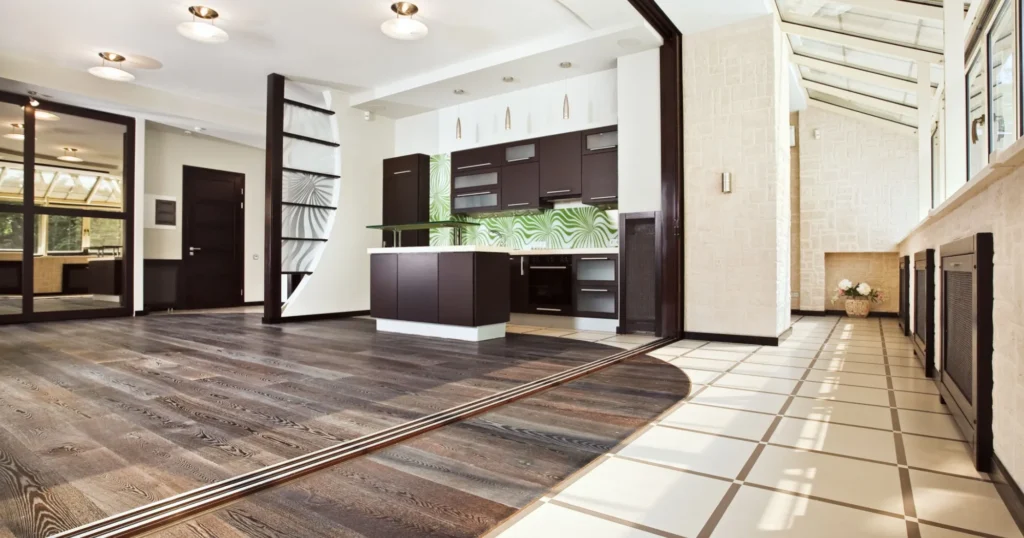
Not necessarily.
Using one flooring style throughout connected living areas can create a clean, consistent appearance. But bedrooms, bathrooms, kitchens, and entrances may have different practical requirements.
A mixed approach can actually be more functional.
For example:
- Living and dining: SPC, vinyl, wood, laminate, or parquet
- Bedrooms: carpet, wood, laminate, SPC, or vinyl
- Kitchen: SPC, vinyl, or tile
- Bathrooms: porcelain or ceramic tile
- Entrance: durable tile, SPC, or vinyl
The important part is making the transitions look intentional.
7 Questions to Ask Before Ordering Flooring
Before placing your order, run through this quick checklist:
- Is the flooring suitable for the room?
- How much traffic will it receive?
- Will it regularly come into contact with water?
- How much maintenance am I comfortable with?
- Does the colour work with my existing interior?
- Is my subfloor ready for installation?
- What is the complete installed cost, not just the material price?
If you can answer all seven confidently, you are much less likely to regret your choice later.
What Is the Best Flooring for a Dubai Home?

There is no universal winner.
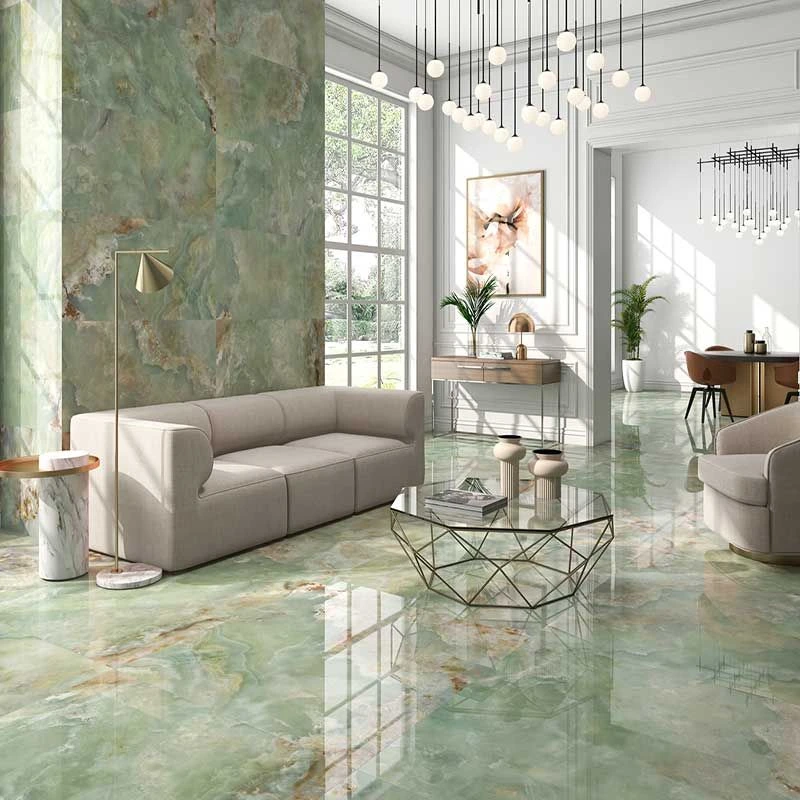
For a homeowner who prioritises water resistance and practicality, SPC or vinyl may be a strong choice. For someone who wants natural character, wood or parquet may be more appealing. If softness and comfort matter most, carpet deserves consideration. For bathrooms and moisture-prone spaces, porcelain or ceramic tiles remain practical options.
The best flooring is the one that fits the room, your lifestyle, your design preferences, and your budget at the same time.
If you’re still deciding, don’t rush the purchase. Compare samples, look at the flooring under your home’s actual lighting, check the installation requirements, and ask what preparation your existing floor needs.
At Online Flooring, you can explore different flooring materials and arrange professional guidance for your Dubai project. Browse our flooring solutions for homes and other spaces to compare styles, materials, and applications before making your final choice.
Final Thought
Flooring is one of those decisions you live with every day. You walk on it, clean it, move furniture across it, and see it every time you enter the room.
So don’t choose purely on appearance.
Choose a floor that makes sense for your home, your routine, your climate, and the way you want the space to feel. Once those priorities are clear, finding the right flooring becomes much simpler.


